
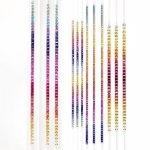
 Rainbow Stone Set
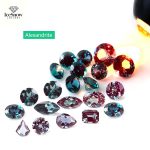 Lab Grown Alexandrite
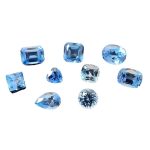 Lab Grown Aquamarine
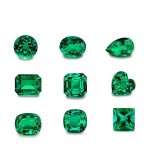 Lab Grown Emerald
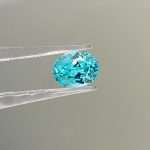 Lab Grown Paraiba(YAG)
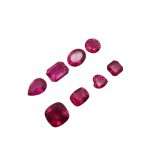 Lab Grown Ruby
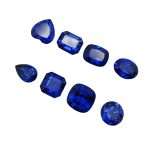 Lab Grown Sapphire
Uncategorized
The Complete Guide to Lab-Grown Gemstones
The Complete Guide to Lab-Grown Gemstones
Everything wholesale buyers need to know before sourcing: what lab-grown stones are, how they are made, how color, clarity, cut and carat work in colored stones — and how to buy with confidence.
In this guide
01What Are Lab-Grown Gemstones?
Lab-grown gemstones are real gemstones — chemically, physically and optically identical to stones mined from the earth — that are grown in controlled laboratory conditions instead of formed over millions of years underground. A lab-grown Paraiba tourmaline has the same composition, crystal structure, hardness, refractive index and fire as a mined stone.
The only meaningful difference is origin, which makes lab-grown stones dramatically more affordable and far easier to supply at consistent quality. They are grown, not imitated — the same chemistry and crystal structure, without the mine.
02How Lab-Grown Gemstones Are Made
There are several proven methods for growing gemstone crystals, and each produces distinct characteristics. The three most relevant to the colored stone trade are:
Flux Growth
Gemstone components are dissolved in a molten flux at high temperature, then slowly cooled so crystals form over weeks or months. Flux-grown stones can achieve exceptional color saturation and clarity, ideal for high-end Paraiba, royal blue and emerald.
Czochralski (Pulled) Growth
A seed crystal is dipped into a melt and slowly pulled upward while rotating, forming a single large crystal boule. This method produces highly uniform, clean material — perfect for consistent series production of sapphire and corundum in every color.
Hydrothermal Growth
Crystals grow from a water-based solution under high pressure and temperature, closely mimicking natural formation. This method is widely used for emerald, producing stones with beautiful, natural-looking growth patterns.
03The Science of Color
Color in gemstones comes from trace elements and crystal chemistry. These are the five colors our wholesale clients keep coming back for:
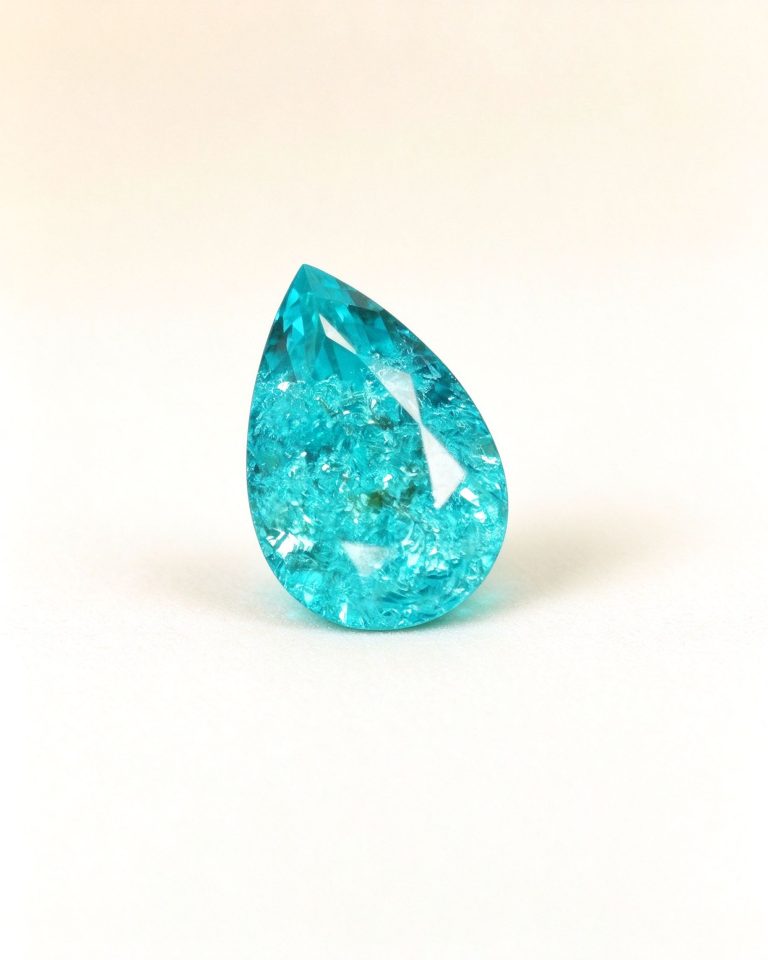
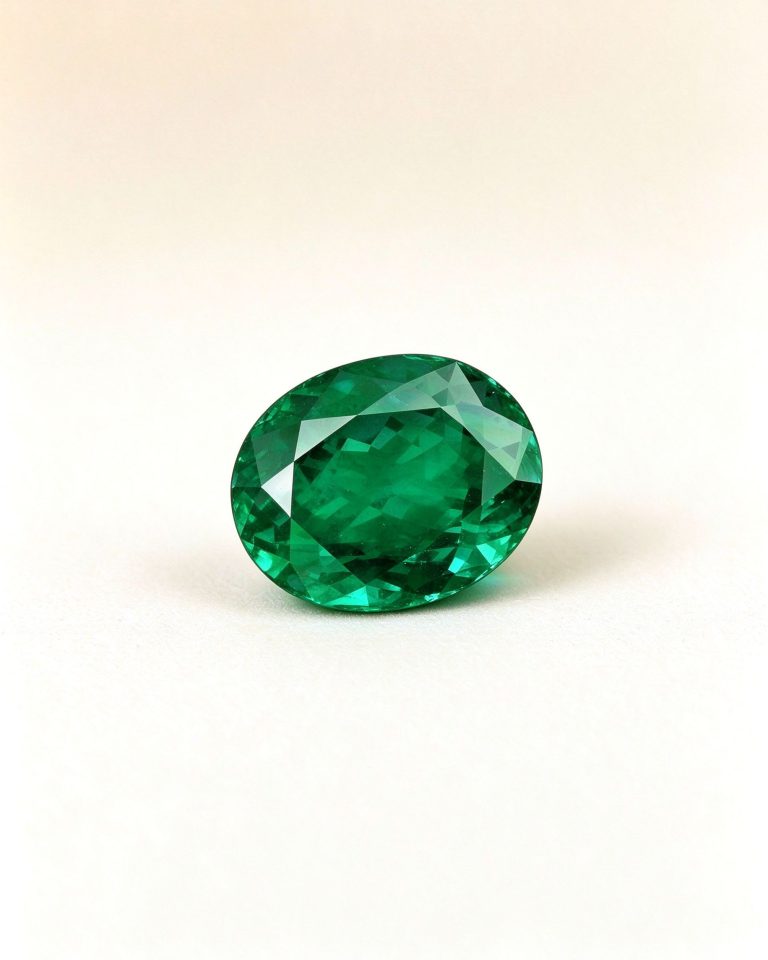
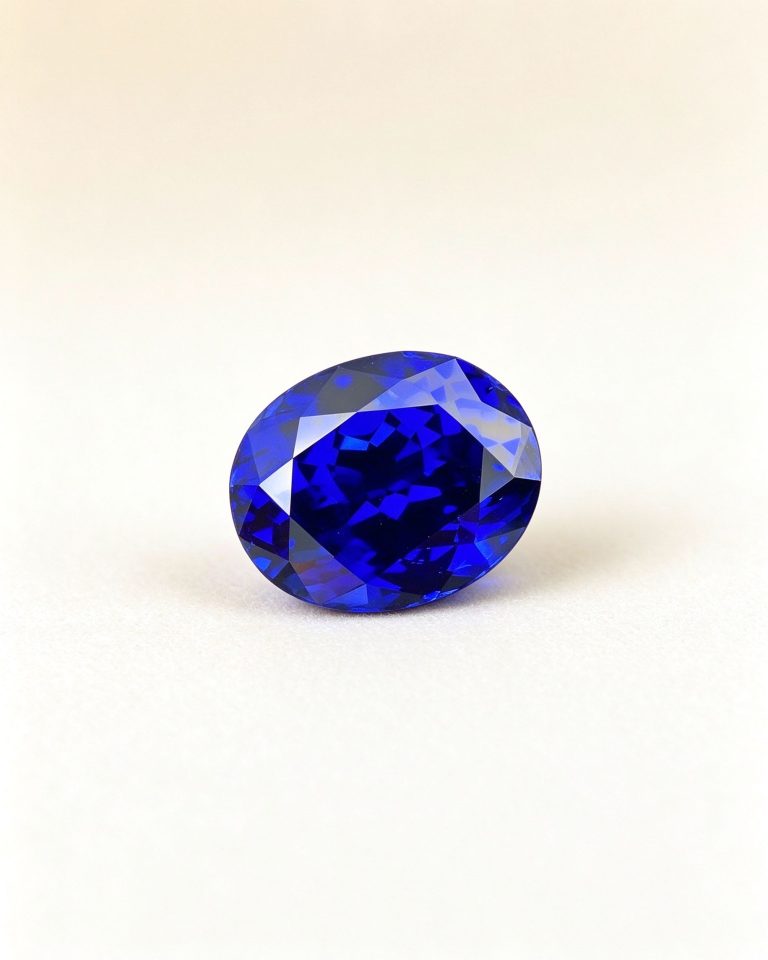
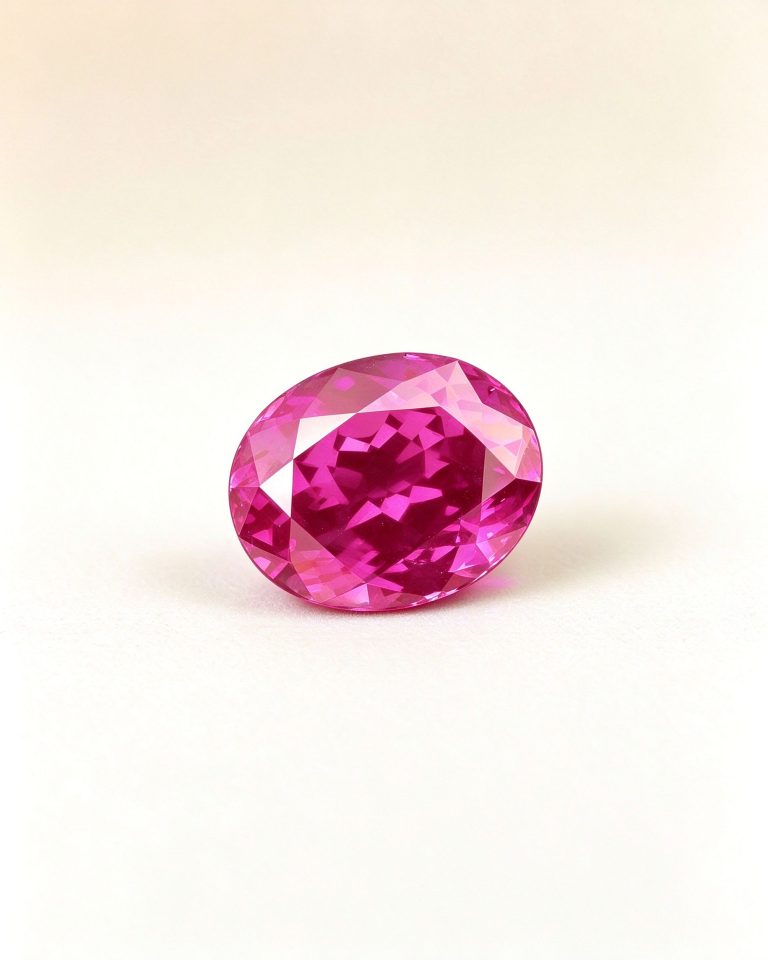
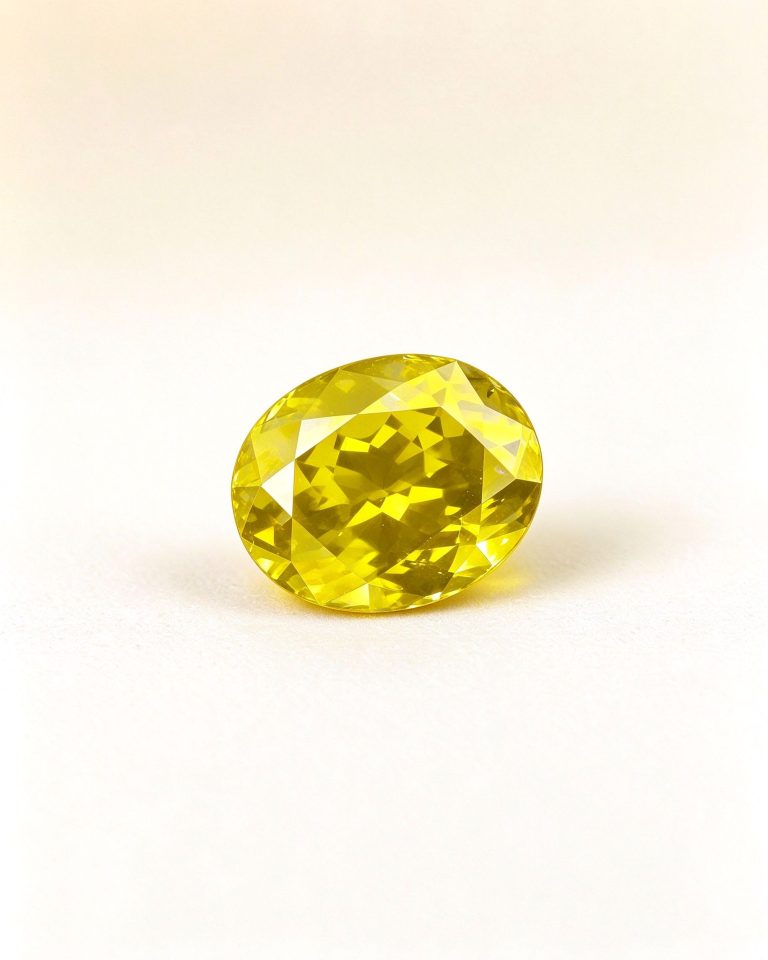
Beyond these five we grow and stock 20+ varieties — including Alexandrite, the famous color-change stone: green in daylight, red under incandescent light.
04Clarity: Eye-Clean vs Inclusions
Clarity describes the internal cleanliness of a stone. For colored stones the practical question is simpler than for diamonds: is the stone eye-clean, or does it carry natural-looking inclusions?
Eye-Clean
No inclusions visible to the naked eye. Precision-cut, brilliant stones for high-end jewelry — our Lab Grown Gemstones line, in 20+ varieties.
With Inclusions
Stones grown to echo the natural world, with inclusions that give each piece character and depth — our Gems with Inclusions line, for designs with personality at a friendlier price.
Which to choose? For engagement-grade pieces and retail display, eye-clean wins. For fashion lines, vintage-inspired settings and volume programs, inclusions add authenticity and lower cost per carat. Both are real lab-grown stones — the difference is character, not quality.
05Cut & Shape Guide
Cut controls how light moves through the stone. A well-cut stone returns maximum fire and color; a poor cut makes even the best color look dull. We cut in-house, so every stone leaves with calibrated proportions.
Popular shapes we cut to order
- Round — maximum brilliance, the classic standard.
- Oval — elongated elegance, great for rings.
- Pear — a teardrop hybrid of round and marquise.
- Emerald cut — step facets, clean lines, art-deco character.
- Cushion — soft corners, vintage romance, high fire.
- Marquise — long and pointed, maximizes face-up size.
- Heart & Trillion — for fashion and statement pieces.
Calibrated sizes (mm) or custom proportions — send us your spec and we cut to it.
06Carat & Size Reference
Carat is weight, not size — the same carat looks different in different shapes. This reference shows typical face-up diameters for round cuts:
| Carat (ct) | Round diameter (approx.) | Typical use |
|---|---|---|
| 0.50 ct | 5.2 mm | Accents, pavé, side stones |
| 1.00 ct | 6.5 mm | Solitaire rings |
| 1.50 ct | 7.4 mm | Statement solitaires |
| 2.00 ct | 8.2 mm | Center stones |
| 3.00 ct | 9.4 mm | High-end center stones |
| 5.00 ct | 11.0 mm | Fashion & collector pieces |
Approximate for round brilliant; fancy shapes differ — request our size chart per shape.
07Certificates & Grading
For stones that require third-party verification, we arrange grading reports from recognized laboratories such as IGI and AGL on request — for single stones or entire orders. Reports document carat weight, dimensions, color grade, clarity and origin of growth, giving your buyers complete confidence.
Every inquiry also comes with official specification details — color, clarity, cut and dimension data — plus real shooting videos and fire-display videos before you order.
08Caring for Lab-Grown Gemstones
Because lab-grown stones are true gemstones, they care like the real thing: warm soapy water and a soft brush are safe for most stones; ultrasonic and steam cleaners work for sapphire, ruby and other hard stones; store separately to avoid scratching. Always consult your jeweler for fragile stones such as emerald and opal.
Ready to source your stones?
Send us your stone list — we reply within 24 hours with stock, prices and shipping options.
Get a Quote WhatsApp Us